


Rice is one of the most vital and widely consumed staple foods globally. It is the primary source of sustenance for over half of the world’s population. In this comprehensive essay, we will delve into various aspects of rice, including its history, types, nutritional value, cultivation, and cultural significance. By the end of this article, you’ll gain a deeper understanding of why rice holds such a prominent place in our world.
I. Historical Significance of Rice

- Rice, scientifically known as Oryza sativa, has a long and rich history, dating back thousands of years.
- Originating in China, rice cultivation spread to various parts of Asia, including India, Japan, and Southeast Asia.
- Archaeological evidence suggests that rice has been cultivated for over 6,000 years, making it one of the oldest staple crops.
II. Types of Rice
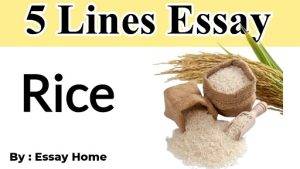
Rice comes in various types, each with its unique characteristics and uses. Here are some of the most common varieties:
A. White Rice
- White rice is the most widely consumed type of rice globally.
- It is milled to remove the bran and germ layers, resulting in a polished appearance.
- This variety has a mild flavor and a fluffy texture, making it a versatile choice for various dishes.
B. Brown Rice
- Brown rice retains the bran and germ layers, which makes it more nutritious than white rice.
- It has a nuttier flavor and a slightly chewier texture.
- Brown rice is an excellent source of dietary fiber and essential nutrients.
C. Basmati Rice
- Basmati rice is a fragrant and long-grain rice variety primarily grown in the Indian subcontinent.
- It is known for its exceptional aroma and delicate, separate grains when cooked.
- Basmati rice is a popular choice for dishes like biryani and pilaf.
D. Jasmine Rice
- Jasmine rice is another fragrant variety, primarily grown in Thailand and other Southeast Asian countries.
- It has a floral aroma and a slightly sticky texture when cooked.
- Jasmine rice pairs well with Asian dishes and curries.
III. Nutritional Value of Rice

Rice is not just a source of carbohydrates; it also provides essential nutrients:
- Carbohydrates: Rice is a rich source of carbohydrates, providing energy to the body.
- Protein: While not as high in protein as other grains, rice still contributes to daily protein intake.
- Vitamins: Rice contains B-vitamins, including thiamine, riboflavin, and niacin.
- Minerals: It provides essential minerals like magnesium, phosphorus, and selenium.
IV. Cultivation of Rice
Rice cultivation is a complex process that requires specific conditions and techniques:
- Climate: Rice thrives in warm, tropical climates with high humidity.
- Water: It is typically grown in flooded fields, as it requires a substantial amount of water.
- Soil: Rice prefers well-drained, fertile soil rich in organic matter.
- Planting and Harvesting: Rice is typically grown from seeds and harvested when the grains are mature.
V. Cultural Significance of Rice
Rice plays a crucial role in the cultures and traditions of many societies worldwide:
- Asian Cuisine: Rice is the centerpiece of Asian cuisine, with dishes like sushi, curry, and stir-fry being popular examples.
- Rituals and Festivals: In many Asian cultures, rice is used in various rituals and festivals, symbolizing prosperity and fertility.
- Rice as a Symbol: In some cultures, rice is seen as a symbol of life and sustenance, making it a part of important ceremonies.
Also Read : My Emerson TV Won’t Turn On: Troubleshooting Tips and Fixes
Watch This Video Guide
In conclusion, rice is more than just a food staple; it is a cornerstone of human history, nutrition, and culture. Its diverse types and rich history showcase its adaptability and significance in different parts of the world. Whether you prefer the simplicity of white rice, the nutrition of brown rice, or the fragrance of Basmati and Jasmine varieties, rice continues to be a fundamental element of our daily lives, connecting us across borders and generations.